

Creating memorable characters starts with choosing the right name, and nothing defines a character quite like their surname. Whether you’re writing your next bestseller or developing characters for a game, finding cool last names can transform ordinary characters into unforgettable ones.
The perfect surname doesn’t just identify your character, it tells their story, hints at their personality, and sets the tone for their entire arc. Today, we’re exploring two hundred surnames that will make your fictional characters stand out, along with practical guidance on selecting names that resonate with your readers and strengthen your narrative.
What to consider when considering character names
Before diving into specific examples, let’s establish a framework for creating compelling character names. Think of naming as an art form that requires both creativity and strategic thinking. Your characters deserve names that feel authentic to their world while serving your story’s larger purpose.
Character’s background
Every name carries heritage. Consider your character’s cultural, ethnic, and familial roots because surnames often reveal generations of history. A character from Japan might carry names like Tanaka or Yamamoto, while someone from Ireland could bear Sullivan or O’Brien. This authenticity grounds your story in reality, even within fantastical settings.
Time period
Names evolve through history. Medieval characters need period-appropriate surnames like Fletcher or Cooper, while futuristic characters might carry evolved naming conventions. Anachronistic names break immersion faster than almost any other storytelling mistake, so research thoroughly.
Geography
Location shapes naming patterns dramatically. Scottish surnames differ from Italian ones, and regional variations exist even within countries. Smith sounds distinctly different from Schmidt, though both share origins. Let geography guide your choices for added authenticity.
Cool Last Names – Factors to Consider (Continued)
Personality and traits
Names can mirror character essence. Strong personalities might carry powerful-sounding surnames like Stone or Steel, while gentler souls could have softer names like Meadows or River. This technique, called nominative determinism in storytelling, helps readers form immediate impressions.
Ease of pronunciation
Readers shouldn’t stumble over your protagonist’s name every chapter. Complex surnames work for minor characters, but main characters need accessible names. Test names by reading them aloud repeatedly—if you struggle, your readers will too.
Unique vs. common names
Balance memorability with believability. Unique surnames like Ravencroft create instant intrigue, while common names like Johnson provide relatability. Main characters often benefit from distinctive names, whereas supporting cast members can carry more ordinary surnames without losing impact.
Symbolism and meaning
Research name meanings to add subtle depth. A character named Winter might face emotional coldness, while someone called Phoenix could experience rebirth. These layers reward attentive readers without overwhelming casual ones.
Factors to Consider (Continued)
Genre
Fantasy demands different naming conventions than contemporary fiction. Names like Shadowbane fit sword-and-sorcery tales but would feel absurd in realistic dramas. Romance novels favor melodious surnames, thrillers prefer sharp ones, and science fiction allows experimental choices. Match your names to genre expectations while adding personal flair.
Plot and tone
Every narrative element should reinforce your story’s core. Dark thrillers benefit from ominous surnames, comedies need playful ones, and dramas work best with grounded choices. Character names contribute to overall atmosphere more than many writers realize. Consider how each surname supports your narrative voice and strengthens thematic elements.
Alliteration and sound
Phonetic appeal matters tremendously. Peter Parker, Lois Lane, and Clark Kent all use alliteration for memorability. Names with pleasant rhythms stick in readers’ minds long after they close your book. Experiment with different sound combinations until something clicks perfectly.
Character development
Consider how names might reflect or contrast with character arcs. A character named Noble who acts dishonorably creates ironic tension. Someone called Savage who shows gentleness surprises readers. These contradictions add complexity and depth to characterization.
Factors to Consider (Continued)
Cultural sensitivity
Research thoroughly to avoid appropriating or misrepresenting cultures. Names carry significant meaning within communities, and misuse can offend readers or perpetuate stereotypes. When writing outside your cultural experience, consult sensitivity readers and verify that your naming choices respect the traditions you’re representing.
Naming conventions
Consistency matters in world-building. If your fantasy realm includes multiple cultures, establish distinct naming patterns for each group. Elven names might flow with vowels, dwarven names might sound harsh with consonants, and human names could blend various influences. These patterns help readers navigate your fictional world.
Legal and copyright issues
Avoid names too similar to existing famous characters. Harry Potter, Katniss Everdeen, and Sherlock Holmes are off-limits, as are obvious variations. Check that your chosen names don’t infringe on trademarks or create unwanted associations with existing intellectual property.
Factors to Consider (Continued)
Family names
If your character has relatives in your story, their surnames should connect logically. Siblings share last names, married characters might have different ones, and family naming traditions could include patronymics or matronymics. These details enhance believability and demonstrate attention to world-building fundamentals.
Nicknames
Consider how other characters might shorten or modify the surname. A character named Fitzwilliam might become Fitz, while Montgomery could become Monty. These variations reveal relationships and social dynamics. Some characters earn nicknames through personality or appearance, adding another layer to their identity.
Cool Last Names that Blend into a Realistic Setting

For contemporary or realistic fiction, authenticity comes from familiarity. Readers connect more deeply with characters whose names mirror people they might actually know. Common surnames create invisible bridges between your fictional world and the reader’s reality, making stories feel immediate and relatable rather than distant or contrived.
Consider these versatile options that work across contemporary settings:
- Anderson
- Murphy
- Patel
- Garcia
- Chen
- Morrison
- Kumar
- Bennett
- Rodriguez
- Mitchell
- Yamamoto
- Cohen
- Hansen
- Rossi
- Ahmed
These names span multiple cultures while remaining instantly recognizable. They don’t draw attention to themselves, allowing character actions and dialogue to dominate reader attention instead.
Cool Last Names that Stand out in a Realistic Setting
Sometimes your story needs characters who feel slightly different from everyone around them. Distinctive surnames create memorable impressions without breaking realistic boundaries. These names catch attention while maintaining plausibility, perfect for characters who need to stand out in crowded narratives or leave lasting impressions.
Here are surnames that achieve that delicate balance:
- Remington
- Whitmore
- Kingsley
- Beauregard
- Thornton
- Calloway
- Winslow
- Pemberton
- Caspian
- Lockhart
- Westbrook
- Ashford
- Blackwell
- Worthington
- Kensington
These names carry sophistication and character without venturing into fantasy territory. They work beautifully for protagonists in contemporary fiction who need distinction.
Cool Last Names for Cool Characters
Creating effortlessly cool characters requires surnames that radiate charisma without trying too hard. The best options suggest sophistication, mystery, or edge through subtle means rather than obvious choices. Think James Bond rather than Johnny Cool—refinement beats obviousness every time when crafting memorable characters.
These surnames embody understated coolness:
- Blackwood
- Sterling
- Wilde
- Phoenix
- Frost
- Knight
- Cross
- Ryder
- Maverick
- Storm
- Fox
- Steele
- Wolfe
- Archer
- Blaze
Each name carries inherent coolness through strong consonants, evocative imagery, or cultural associations with strength and independence.
Cool Last Names for Characters in Space
Science fiction set among the stars demands surnames reflecting humanity’s cosmic evolution. These names should evoke the vastness of space, technological advancement, or celestial phenomena. Characters born in orbital stations or distant colonies might carry surnames inspired by their extraordinary environments, setting them apart from Earth-bound humans immediately.
Consider these space-worthy options:
- Starling
- Cosmos
- Eclipse
- Meteor
- Gravity
- Infinity
- Saturn
- Pulsar
- Comet
- Zenith
- Apollo
- Stardust
- Voyager
- Equinox
- Supernova
These surnames work particularly well for multi-generational space crews, colonists, or characters whose families have lived off-world for centuries.
Cool Last Names for Characters in the Future
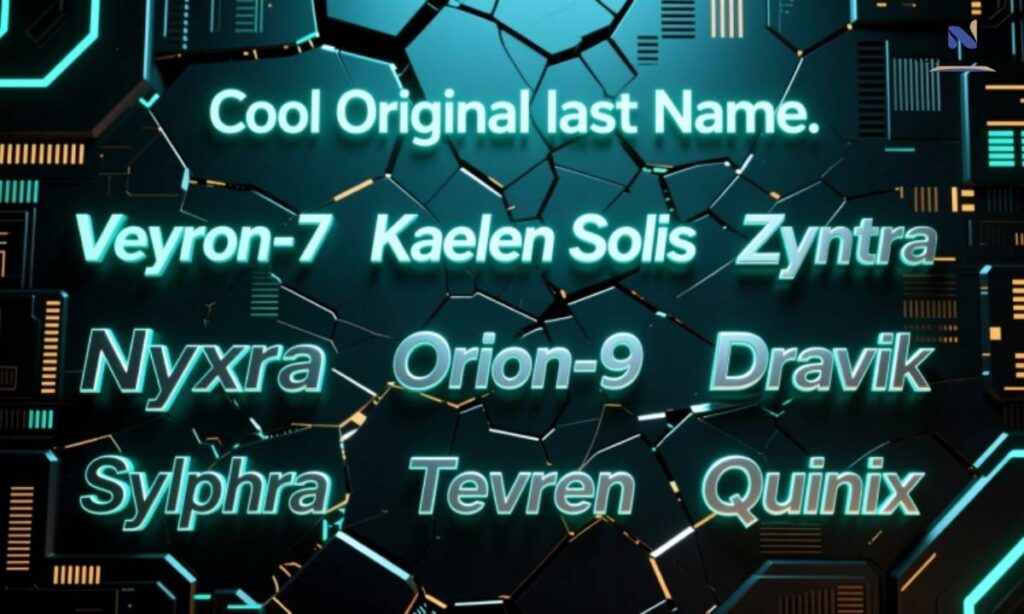
Futuristic settings allow creative freedom with naming conventions. As societies evolve, surnames might blend multiple cultural influences, incorporate technology references, or reflect new social structures. These names should feel simultaneously familiar and strange, suggesting recognizable roots while pointing toward human evolution and cultural transformation across centuries.
Here are forward-thinking surname options:
- Cypher
- Nex
- Vance
- Solari
- Quantum
- Echo
- Vertex
- Helix
- Axis
- Vector
- Cipher
- Prism
- Flux
- Zenon
- Apex
These names bridge present and future, feeling both grounded and innovative. They work across various sci-fi subgenres from cyberpunk to space opera.
Cool Last Names for Evil Characters
Antagonists deserve surnames that hint at their nature without becoming cartoonish. The right choice adds menace, suggests dark histories, or creates unconscious unease in readers. Whether crafting a complex villain readers sympathize with or a purely evil force, the surname should complement their role while maintaining believability within your story’s context.
These names carry sinister undertones:
- Grimm
- Raven
- Dread
- Thorn
- Shade
- Venom
- Reaper
- Blackthorn
- Nightshade
- Crowley
- Malice
- Tempest
- Slaughter
- Bane
- Dagger
Not every villain needs an obviously dark name, but these options work when you want readers to sense danger immediately upon introduction.
Cool Last Names for Silly Characters
Comedy requires names that make readers smile before the character even speaks. Whimsical surnames set expectations for humor and lightheartedness, preparing audiences for the absurdity ahead. The right comedic name becomes part of the joke itself, enhancing every scene through pure linguistic playfulness.
Try these delightfully ridiculous options:
- Bumblesworth
- Snickersnee
- Whimsy
- Tiddlywink
- Gigglebottom
- Flapdoodle
- Nonsense
- Jollybottom
- Higgledy
- Fidget
- Wobbles
- Muddle
- Zigzag
- Skippy
- Bubbles
These names work brilliantly in children’s literature, comedic fantasy, or any story where laughter takes priority over seriousness.
Cool Last Names for Heroic Characters
Heroes need surnames matching their courage and nobility. These names should evoke strength, leadership, integrity, and the extraordinary nature of heroism itself. The right choice reinforces their role as protectors, leaders, or champions while helping readers connect emotionally with their journey toward greatness.
Consider these heroic options:
- Justice
- Valor
- Champion
- Noble
- Griffin
- Lionheart
- Stronghold
- Guardian
- Brave
- Victory
- Banner
- Shield
- Triumph
- Everest
- Summit
These surnames work across genres from superhero comics to epic fantasy, instantly communicating character purpose and moral standing.
Cool Last Names for Magical Characters
Fantasy worlds demand surnames reflecting their magical nature. Names incorporating nature elements, mystical concepts, or ancient linguistic roots help establish your world’s unique magical system. These surnames should feel enchanted and otherworldly while remaining pronounceable, creating that perfect balance between familiarity and wonder.
Here are enchanting surname choices:
- Moonwhisper
- Starweaver
- Thornspell
- Shadowmoon
- Crystalbrook
- Wintermage
- Fireborn
- Stormcaller
- Earthsong
- Frostweaver
- Sunblade
- Nightbloom
- Windwalker
- Lightbringer
- Spellwright
These names work beautifully for wizards, witches, sorcerers, or anyone inhabiting magical realms where surnames reflect power and heritage.
Cool Last Names for Romantic Characters
Romance benefits from surnames with lyrical qualities or emotional resonance. Names that flow beautifully or carry associations with love, passion, or connection enhance romantic atmosphere. Whether writing contemporary romance or historical love stories, the right surname adds subtle reinforcement to themes of desire and emotional connection.
These names radiate romantic appeal:
- Darling
- Heart
- Valentine
- Lovell
- Romeo
- Amore
- Delaney
- Summers
- Harmony
- Belle
- Angelou
- Beloved
- Dream
- Haven
- Bliss
These surnames work particularly well for romantic leads in any subgenre, from sweet contemporary romance to passionate historical tales.
FAQs
How do I choose cool last names for my fictional characters?
Consider your character’s background, personality, story setting, and genre. Match surnames to the tone of your narrative while ensuring they’re memorable and pronounceable for readers.
Should all characters have unique surnames?
Not necessarily. Main characters benefit from distinctive names, but supporting characters can have common surnames. Balance uniqueness with believability based on each character’s importance.
Can I mix cultural naming conventions in fantasy?
Yes, but maintain internal consistency. Establish clear naming patterns for different cultures within your world, and ensure each pattern makes logical sense within that society’s structure.
How many times should I use the same surname in one story?
Avoid confusion by limiting surname repetition unless characters are related. If two unrelated characters share surnames, clarify this early to prevent reader confusion.
What makes a surname sound cool?
Strong consonants, pleasant rhythms, cultural associations, and meaningful symbolism all contribute. Names that evoke imagery or emotion without being obvious tend to feel coolest.
Should villain names always sound evil?
Not always. Complex villains benefit from normal names that contrast with their actions, while straightforward antagonists can carry obviously dark surnames. Match naming to character complexity.
How do I avoid copyright issues with character names?
Don’t use names identical or very similar to famous characters. Check for trademarks and avoid obvious references to existing properties.
Final Thoughts
You’ve now explored two hundred surnames spanning realistic settings to magical realms, villainous characters to heroic ones. Remember that the perfect name emerges from understanding your character’s essence and your story’s needs. Don’t stress if the ideal surname doesn’t appear immediately, sometimes the best names reveal themselves as you write and discover who your characters truly are.
The most important rule is trusting your instincts while remaining open to revision. A name that seemed perfect in outlining might need changing once your character develops unexpected depth. That’s natural and healthy for the creative process. Keep experimenting until something clicks completely.
Ultimately, choosing cool last names combines art and strategy. Consider all factors we’ve discussed, but also listen to that intuitive voice telling you when something feels right. Your readers will remember characters whose names perfectly capture their essence, so invest time in getting these details right from the start.

David is a passionate writer and creative thinker who shares unique insights on Novaanamer. With a love for exploring names, ideas, and meaningful content, he brings fresh perspectives to help readers find inspiration, creativity, and knowledge in everyday life. His goal is to make complex topics simple and engaging for everyone.