
Japanese names that mean death have deep cultural and spiritual meaning in Japan. These names often reflect life, death, and the cycle of nature. Many parents and writers choose them for their unique and powerful symbolism.
Male, female, and unisex Japanese names can represent darkness, bravery, or the afterlife. Some names are inspired by mythology, folklore, or traditional beliefs. Using these names shows respect for Japanese culture and its views on mortality.
Purpose of Choosing Japanese Names That Mean Death
Choosing Japanese names that mean death can reflect respect for life’s natural cycles. These names often symbolize bravery, spiritual strength, or the afterlife. Many people select them to honor tradition and cultural beliefs.
Some parents and writers use these names to inspire resilience or acceptance of mortality. They may also highlight the beauty and impermanence of life. Such names carry deep meaning and connect to Japanese folklore and philosophy.
Japanese Names That Mean Death For Males
These male Japanese names symbolize death, darkness, courage, and spiritual strength.
- Akeldama (アケルダマ) – Place of Bloodshed
- Hisa (ひさ) – Defeated Death
- Kaida (海田) – Little Dragon
- Mana (愛) – Everlasting Death
- Oiwa (大岩) – Angel of Death
- Sakamoto (坂本) – Death Escaped Person
- Shinigami (死神) – God of Death
- Yami (闇) – Death
- Akumu (悪夢) – Nightmare
- Hizumi (ひずみ) – Immortal
- Ame (雨) – Rain
- Hana (花) – Fragile Flowers
- Senshi (戦士) – Die in a Battle
- Kage (かげ) – Death Shadow
- Jigoku (地獄) – Hell
- Mu (無) – Nothingness
- Kuro (黒) – Black
- Ankoku (暗黒) – Darkness or Gloom
- Kuroi (黒い) – Black or Dark
- Kuroishi (黒石) – Black Stone
- Kuronushi (黒主) – Black Lord
- Kyomu (虚無) – Nothingness or Void
- Yamiyo (闇夜) – Dark Night
- Kuronin (黒人) – Black Person (Mourning)
- Shisha (死者) – The Deceased
- Gekido (激怒) – Rage (linked to death)
- Kuragari (暗がり) – Gloom
- Oni (鬼) – Demon (linked to death in folklore)
- Shibou (死亡) – Death
- Shoushi (終死) – End of Life
- Kurumi (胡桃) – Dark Walnut
- Shin’en (深淵) – Abyss, deep darkness
- Higan (彼岸) – Other Shore (afterlife)
- Zetsuei (絶影) – Vanishing Shadow
- Ryu (竜) – Dragon (mythological, tied to mortality)
- Tora (虎) – Tiger (symbolic of death in battle)
- Raiden (雷電) – Thunder and Lightning
- Akira (明) – Bright (contrast to darkness)
- Rei (零) – Zero (death or emptiness)
- Kurobane (黒羽) – Black Wing
- Yomizuki (夜月) – Night Moon
- Kuroneko (黒猫) – Black Cat (death omen)
- Shiotsuki (死月) – Death Moon
- Shikage (死影) – Death Shadow
- Kurakawa (暗川) – Dark River
- Yamibara (闇原) – Dark Plains
- Shiragiku (死菊) – Death Chrysanthemum
- Kuronaga (黒永) – Eternal Darkness
- Shishou (死相) – Death Aspect
- Yomizawa (黄泉沢) – Swamp of the Underworld
Japanese Names That Mean Death For Females
These female Japanese names represent mortality, resilience, darkness, and spiritual depth.
- Shi no Onna (死の女) – Death Woman
- Yami no Akuma (闇の悪魔) – Dark Devil
- Shinigami Musume (死神娘) – Death God’s Daughter
- Shi (死) – Death
- Mayoi (迷い) – Lost
- Samsara (輪廻) – Cycle of Rebirth
- Shinu (死ぬ) – To Die
- Mujo (無常) – Impermanence
- Shian (死穢) – Death or Impurity
- Mezame (目覚め) – Awakening or Enlightenment
- Anraku (安楽) – Peaceful Death
- Yami no Tenshi (闇の天使) – Angel of Darkness
- Ikiryo (生霊) – Departed Spirit
- Shiryō (死霊) – Spirit of the Dead
- Shibo (死亡) – Death
- Shi no Kage (死の影) – Shadow of Death
- Bankoku Shinigami (万国死神) – Death God of All Nations
- Shinidamachu (死んだままちゅ) – Dead Sweetheart
- Shijin (死人) – Dead Person
- Kuroi Tenshi (黒い天使) – Black Angel
- Kurayami (暗闇) – Darkness
- Shiina (死衣) – Death Garment
- Yoruha (夜葉) – Night Leaf
- Shinju (真珠) – Pearl (symbolic of purity in death)
- Tsubaki (椿) – Camellia (mourning)
- Hotaru (蛍) – Firefly (fleeting life)
- Yamika (闇花) – Dark Flower
- Higure (日暮) – Sunset (life’s end)
- Mizuho (瑞穂) – Fertile Rice (death cycle)
- Kurenai (紅) – Crimson
- Ayame (菖蒲) – Iris (mourning symbol)
- Rikako (理香子) – Child of Logic and Fragrance
- Mei (冥) – Underworld
- Akane (茜) – Deep Red
- Hisame (氷雨) – Freezing Rain
- Ugetsu (雨月) – Rain Moon (associated with spirits)
- Nozomi (望) – Hope (in darker context)
- Satsuki (皐月) – Fifth Month (linked with death rituals)
- Shiori (詩織) – Poetry of Weaving (death/fate)
- Kyouka (鏡花) – Mirror Flower (reflection of life)
- Ame (雨) – Rain (sorrow)
- Yui (唯) – Only (final one)
- Fuyuha (冬葉) – Winter Leaf
- Reina (零奈) – Lonely and Beautiful
- Sakura (桜) – Cherry Blossom (short life)
- Kage (影) – Shadow
- Hana (花) – Flower (fleeting beauty)
- Aoi (葵) – Hollyhock
- Hikage (日影) – Shadow of the Sun
- Usagi (兎) – Rabbit (moon/spirit symbol)
- Fuyuko (冬子) – Winter Child
- Reika (霊花) – Spirit Flower
Japanese Last Names That Mean Death
These Japanese last names reflect mortality, darkness, and cultural respect for life and death.
- Shirotori (死鳥) – Dead Bird, symbolizes the end of life
- Shikabane (屍) – Corpse, representing finality
- Yamiuchi (闇打) – Darkness and Strike
- Shinigami (死神) – Death God
- Shishimura (死者村) – Village of the Dead
- Shinda (死んだ) – Dead
- Kowakuma (恐ろしい死) – Dreadful Death
- Uramushi (裏死) – Reverse and Death
- Shinitai (死にたい) – Want to Die
- Kurayami (暗闇) – Darkness
- Niekawa – Sacrifice
- Fujiwara – Never Dying
- Kurokawa (黒川) – Black River
- Yamashiro (山城) – Mountain Castle
- Aokawa (青川) – Blue River
- Murakumo (叢雲) – Gathering Clouds
- Kuroishi (黒石) – Black Stone
- Minazuki (水無月) – Month of Water
- Shibasaki (柴崎) – Winds of Death
- Ishikawa (石川) – Stone River
- Fujisaki (藤崎) – Wisteria Cape
- Hoshizora (星空) – Starry Sky
- Kuroda (黒田) – Black Rice Paddy
- Yasumori (安守) – Peace Guard
- Tatsumi (辰巳) – Dragon and Snake
- Hisakata (久方) – Long Distance
- Kumo (雲) – Cloud
- Shima (島) – Island
- Otsuki (大月) – Big Moon
- Nishikawa (西川) – West River
- Kuwabara (桑原) – Mulberry Field
- Hayabusa (隼) – Falcon
- Kageyama (影山) – Shadow Mountain
- Takeda (武田) – Bamboo Field
- Aoyama (青山) – Green Mountain
- Kurobane (黒羽) – Black Wing
- Nakamura (中村) – Center Village
- Mizuguchi (水口) – Water Mouth
- Tsukikage (月影) – Moon Shadow
- Yamamoto (山本) – Base of the Mountain
- Takahashi (高橋) – High Bridge
- Shibata (柴田) – Brush Field
- Hino (火野) – Fire Field
- Kuwashima (桑島) – Mulberry Island
- Furukawa (古川) – Old River
- Tanaka (田中) – Central Rice Field
- Akamatsu (赤松) – Red Pine
- Shirogane (白金) – White Gold
- Kuromori (黒森) – Black Forest
- Tsuchiya (土屋) – Earth House
- Inoue (井上) – Above the Well
Japanese Names That Mean Angel of Death
These names signify spiritual power, darkness, and protection associated with the Angel of Death.
- Oiwa (大岩) – Angel of Death
- Yami no Tenshi (闇の天使) – Angel of Darkness
- Kuroi Tenshi (黒い天使) – Black Angel
- Tenshi no Shi (天使の死) – Angel of Death
- Shinigami Tenshi (死神天使) – Death God’s Angel
- Shi no Tenshi (死の天使) – Angel of Death
- Ankoku Tenshi (暗黒天使) – Dark Angel
- Kage Tenshi (影天使) – Shadow Angel
- Reika Tenshi (霊花天使) – Spirit Flower Angel
- Yoru Tenshi (夜天使) – Night Angel
- Shiryō Tenshi (死霊天使) – Spirit of the Dead Angel
- Mei Tenshi (冥天使) – Netherworld Angel
- Kurayami Tenshi (暗闇天使) – Darkness Angel
- Shibuya Tenshi (渋谷天使) – Angel of Sorrow
- Shizuka Tenshi (静天使) – Silent Angel
- Shiina Tenshi (死衣天使) – Death Garment Angel
- Akumu Tenshi (悪夢天使) – Nightmare Angel
- Yami no Akuma Tenshi (闇の悪魔天使) – Dark Devil Angel
- Ikiryo Tenshi (生霊天使) – Departed Spirit Angel
- Shion Tenshi (死音天使) – Death Sound Angel
- Fuyuko Tenshi (冬子天使) – Winter Child Angel
- Higure Tenshi (日暮天使) – Sunset Angel
- Shibou Tenshi (死亡天使) – Death Angel
- Hana Tenshi (花天使) – Flower Angel
- Ame Tenshi (雨天使) – Rain Angel
- Yoruha Tenshi (夜葉天使) – Night Leaf Angel
- Tsuki Tenshi (月天使) – Moon Angel
- Reikon Tenshi (霊魂天使) – Soul Angel
- Shi no Kage Tenshi (死の影天使) – Shadow of Death Angel
- Shinigami Musume Tenshi (死神娘天使) – Death God’s Daughter Angel
- Kurumi Tenshi (胡桃天使) – Dark Walnut Angel
- Kurenai Tenshi (紅天使) – Crimson Angel
- Satsuki Tenshi (皐月天使) – Fifth Month Angel
- Ugetsu Tenshi (雨月天使) – Rain Moon Angel
- Akane Tenshi (茜天使) – Deep Red Angel
- Mei no Tenshi (冥の天使) – Netherworld Angel
- Shi no Onna Tenshi (死の女天使) – Death Woman Angel
- Yamika Tenshi (闇花天使) – Dark Flower Angel
- Shiori Tenshi (詩織天使) – Death Weave Angel
- Shijin Tenshi (死人天使) – Dead Person Angel
- Nozomi Tenshi (望天使) – Hope Angel
- Sakura Tenshi (桜天使) – Cherry Blossom Angel
- Fuyuha Tenshi (冬葉天使) – Winter Leaf Angel
- Reika Tenshi (霊花天使) – Spirit Flower Angel
- Kage Tenshi (影天使) – Shadow Angel
- Hana Tenshi (花天使) – Flower Angel
- Aoi Tenshi (葵天使) – Hollyhock Angel
Modern Japanese Names That Mean Death
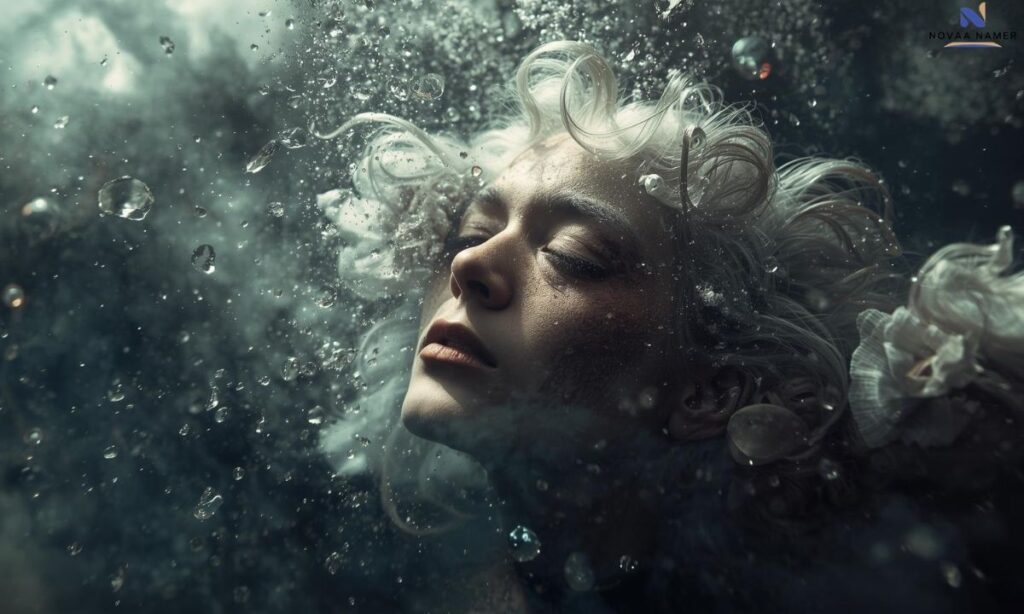
These modern Japanese names reflect dark, edgy, or spiritual meanings associated with death, suitable for contemporary use.
- Akumu (悪夢) – Nightmare
- Kyomu (虚無) – Emptiness or Void
- Zetsuei (絶影) – Vanishing Shadow
- Shibou (死亡) – Death
- Kuragari (暗がり) – Gloom
- Kuro (黒) – Black
- Ankoku (暗黒) – Darkness
- Yamiyo (闇夜) – Dark Night
- Shisha (死者) – The Deceased
- Shoushi (終死) – End of Life
- Kuroi (黒い) – Black or Dark
- Kurokawa (黒川) – Black River
- Kuronushi (黒主) – Black Lord
- Shisen (死線) – Death Line
- Shi (死) – Death
- Shikyo (死去) – Passing Away
- Horobi (滅) – Ruin or Perishing
- Kurushimi (苦しみ) – Pain, Suffering
- Shisei (死生) – Life and Death
- Shino (死野) – Death Field
- Shiho (死歩) – Death Walk
- Shi no Kage (死の影) – Shadow of Death
- Yoru (夜) – Night
- Kage (影) – Shadow
- Akatsuki (暁) – Dawn Before Darkness
- Kurayami (暗闇) – Darkness
- Kurushii (苦しい) – Painful, Sorrowful
- Shikage (死影) – Death Shadow
- Shurin (死輪) – Death Ring
- Shigai (死骸) – Corpse
- Shikidou (死道) – Death Road
- Shizumi (死済) – Death Settled
- Shikura (死蔵) – Death’s Hidden Store
- Shikiba (死牙) – Death Fang
- Shikikawa (死川) – Death River
- Shigure (死暮) – Death Dusk
- Shikyo (死境) – Border of Death
- Shikyo (死去) – Passing Away
- Shikami (死神) – Death Spirit
- Shidou (死道) – Death Path
- Shizuka (静) – Silence, stillness of death
- Reikon (霊魂) – Soul after death
- Yomi (黄泉) – Underworld
- Shinin (死人) – Dead Person, Corpse
- Sanzu (三途) – River of Three Crossings
- Hakumei (薄命) – Short-lived Fate
- Akumu Tenshi (悪夢天使) – Nightmare Angel
- Shi no Tenshi (死の天使) – Angel of Death
- Shioriko (死織子) – Child of Death Weave
Japanese Names That Mean “Good Death”
These names reflect a peaceful, honorable, or meaningful death, symbolizing acceptance, purity, and spiritual tranquility.
- Anraku (安楽) – Peaceful Death
- Mei (冥) – Netherworld
- Shinsei (心声) – Heart’s Final Voice
- Shuusou (終葬) – Final Funeral
- Yami no Tenshi (闇の天使) – Angel of Darkness
- Ikiryo (生霊) – Departed Spirit
- Reika (霊花) – Spirit Flower
- Shiori (死織) – Death Weave
- Shi no Onna (死の女) – Death Woman
- Kuroi Tenshi (黒い天使) – Black Angel
- Mezame (目覚め) – Awakening, Enlightenment
- Shinju (真珠) – Pearl, symbol of purity in death
- Tsubaki (椿) – Camellia, mourning flower
- Fuyuko (冬子) – Winter Child, end of life symbolism
- Yoruha (夜葉) – Night Leaf
- Higure (日暮) – Sunset, symbolic of life’s end
- Ugetsu (雨月) – Rain Moon, spirit symbolism
- Hotaru (蛍) – Firefly, fleeting life
- Nozomi (望) – Hope, sometimes in death context
- Satsuki (皐月) – Fifth Month, linked to death rituals
- Hana (花) – Flower, fleeting beauty
- Aoi (葵) – Hollyhock, symbolic of mortality
- Shion (死音) – Death Sound
- Kage (影) – Shadow
- Yami (闇) – Darkness
- Shiina (死衣) – Death Garment
- Reikon Tenshi (霊魂天使) – Soul Angel
- Akane (茜) – Deep Red
- Rikako (理香子) – Child of Logic and Fragrance
- Mizuki (瑞月) – Dark Moon
- Tsukiyo (月夜) – Moonlit Night
- Kurumi (胡桃) – Dark Walnut
- Kurenai (紅) – Crimson
- Mei no Tenshi (冥の天使) – Netherworld Angel
- Shizue (静枝) – Quiet Branch
- Tomoe (止め) – To Stop, end of life
- Fumiyo (文代) – Generation of Death
- Mika (御魂) – Spirit, Soul after Death
- Setsuka (刹華) – Momentary Blossom
- Akira (哀玲) – Sorrowful Spirit
- Shizuka (静香) – Silent, death reference
- Nozomi Tenshi (望天使) – Hope Angel
- Yami no Akuma Tenshi (闇の悪魔天使) – Dark Devil Angel
- Kage Tenshi (影天使) – Shadow Angel
- Hana Tenshi (花天使) – Flower Angel
- Ame Tenshi (雨天使) – Rain Angel
- Tsuki Tenshi (月天使) – Moon Angel
Frequently Asked Questions
What are common naming traditions in Japan?
In Japan, parents carefully choose names. Japanese Names often reflect cultural values, nature, spirituality, or virtues to give children meaningful identities and life guidance.
Do Japanese Names have special meanings?
Yes, most Japanese Names carry specific meanings. Each character symbolizes concepts like strength, beauty, nature, or even spiritual ideas, making the name culturally significant and personal.
Are Japanese Names gender-specific?
Typically, Japanese Names are gendered. Male and female names often differ in endings and characters, but some modern Japanese Names can be unisex and flexible.
Can Japanese Names be inspired by nature?
Absolutely, many Japanese Names are inspired by nature. Elements like flowers, seasons, rivers, and celestial bodies appear frequently in Japanese Names to reflect beauty and harmony.
How are modern Japanese Names different from traditional ones?
Modern Japanese Names often use creative kanji combinations or foreign influences. Traditional Japanese Names follow historical, cultural, or family customs, while modern ones feel fresh and unique.
Are there Japanese Names with dark or mystical meanings?
Yes, some Japanese Names symbolize death, darkness, or mystical elements. These names are culturally symbolic, showing respect for life cycles and spiritual beliefs in Japanese culture.
Can Japanese Names influence personality or destiny?
Many believe Japanese Names can inspire traits or reflect destiny. Choosing Japanese Names thoughtfully can encourage strength, resilience, or positive qualities throughout a child’s life.
How do Japanese Names differ from Western names?
Japanese Names focus on meanings and kanji combinations. Unlike Western names, Japanese Names often represent nature, virtues, or spiritual concepts rather than solely family lineage.
Are Japanese Names used in art and literature?
Yes, Japanese Names appear in literature, anime, and folklore. Writers use Japanese Names to convey personality, symbolism, or deeper meaning for characters and stories.
How can someone choose meaningful Japanese Names?
To choose Japanese Names, consider the meaning, cultural relevance, and sound. Research kanji, history, and symbolism to select Japanese Names that suit personality or purpose.
Conclusions
Japanese Names That Mean Death carry deep cultural meaning in Japan. These names often reflect life, mortality, and spiritual beliefs. Many people choose them for symbolism and strength. They are not negative but show bravery and respect for life cycles.
Choosing Japanese Names That Mean Death can inspire resilience and courage. Some names symbolize darkness, the underworld, or peaceful passing. They also appear in folklore, mythology, and literature, giving a unique cultural touch. These names often represent honor and spiritual awareness.
Death is part of life, and Japanese Names That Mean Death help people face it with courage. They honor tradition while giving meaningful identity to children or characters. Such names carry deep symbolism in Japanese culture and storytelling.
By selecting Japanese names that mean death carefully, parents or creators show respect for mortality and the natural cycle. These names evoke strength, bravery, and wisdom. They offer a way to understand life, death, and spiritual growth through language.

David is a passionate writer and creative thinker who shares unique insights on Novaanamer. With a love for exploring names, ideas, and meaningful content, he brings fresh perspectives to help readers find inspiration, creativity, and knowledge in everyday life. His goal is to make complex topics simple and engaging for everyone.